Introduction
This reference guide covers:
-
Axon Framework, which takes a messaging-centric approach to building applications
-
Axoniq Framework, adding production-grade feature and tooling on top of Axon Framework
Axon Framework helps you build applications around three core message types:
-
Commands - Messages that express intent to change the system state.
-
Events - Messages that represent facts about what happened in the system.
-
Queries - Messages that request information from the system.
These messages are equally important in Axon Framework, enabling you to build applications based on CQRS and Event Sourcing patterns. Next to that, Axon Framework supports Domain-Driven Design practices by providing tools for building entities and managing domain logic.
What is Axoniq Framework
Axoniq Framework adds to Axon Framework by providing production-grade features and tooling. As such, it enhances the message-driven architecture promoted by Axon Framework, making it more focused to develop and easier to maintain. You will find this icon to mark Axoniq Framework features throughout this documentation. When no such icon is present, you are dealing with Axon Framework features. For an extensive write-down of the difference between Axon and Axoniq Framework, we recommend reading the Framework Comparison page.
Easy monitoring and management
Axoniq Platform makes it easy to monitor and manage your Framework applications. It provides insights into the performance and behavior of your application, and allows you to manage your application’s event processors. You can also get scalable Axon Server licenses with scalable pricing, and manage your Axon Server instances.
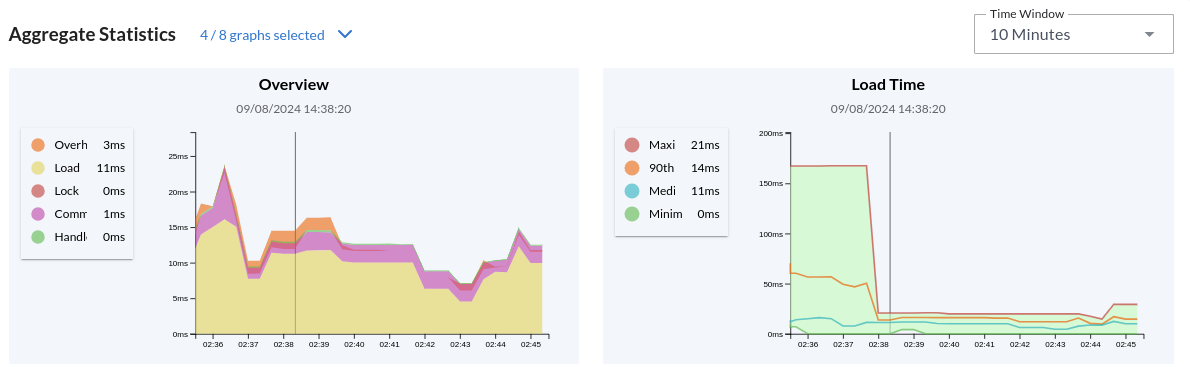
For more information, see the Axoniq Platform Reference or sign up directly.
Reference sections
A summary of the various chapters is given below.
| Sub-Section | Purpose |
|---|---|
Extensive guide on how to migrate from Axon Framework 4 to 5 |
|
Conceptual overview of "Messages" and all concepts relating to it |
|
Chapter dedicated to dispatching commands, handling commands, and drafting Command Models / Entities |
|
Chapter dedicated to publishing and handling events, and all the specifics surrounding Event Processing |
|
Chapter dedicated to dispatching and handling queries |
|
Testing capabilities provided by the Framework |
|
Details on the conversion capabilities of Framework |
|
Chapter describing several specific tuning capabilities of the Framework |
|
Chapter mentioning the monitoring and metric capabilities provided by the Framework |
|
Chapter around the Framework’s integration with Spring Boot |
|
Dedicated page describing the differences between Axon Framework and Axoniq Framework |
|
Complete listing of all the modules provided for the Framework |
|
Listing of all the release notes for Framework |
|
Listing of several known issues and their workaround within the Framework |